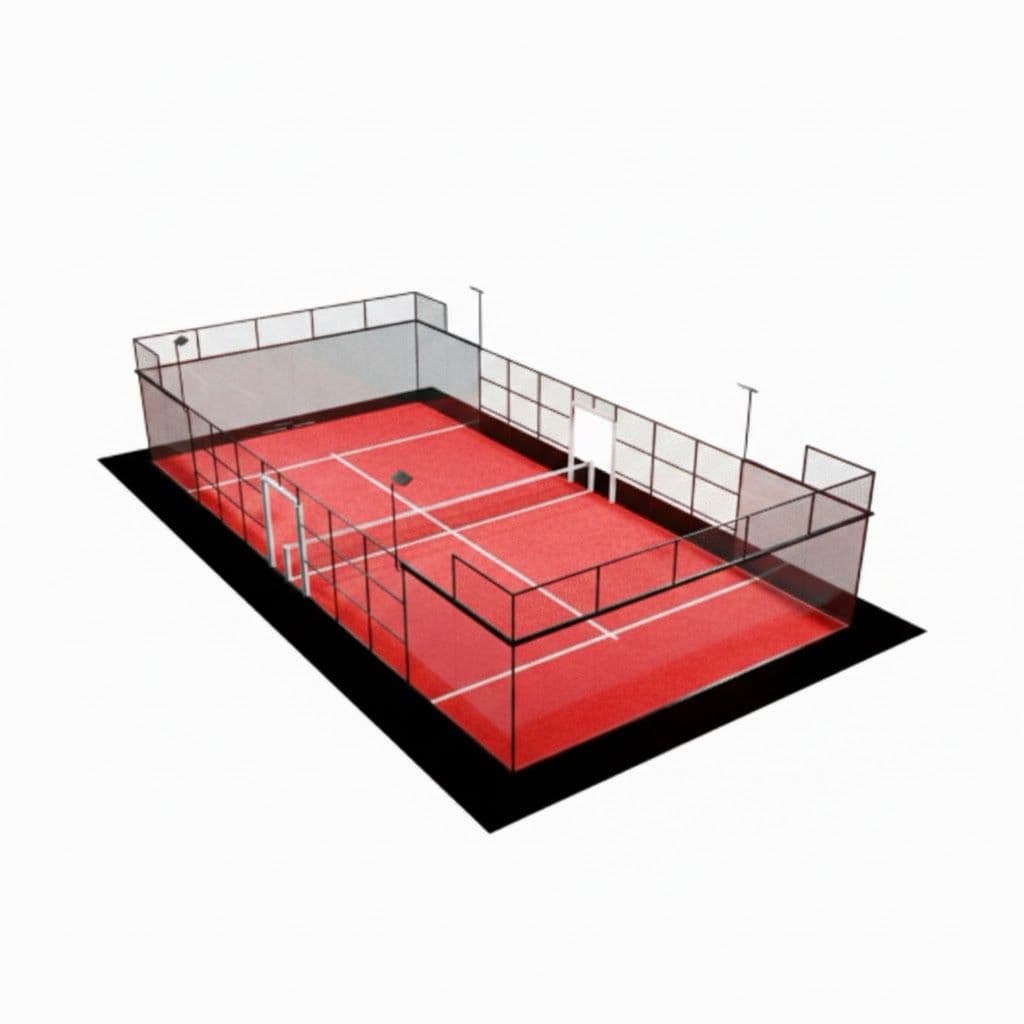
Fiche decision
How should an international padel buyer qualify a court supplier and its local partners without treating the supplier as the project authority? Qualification should connect the contracting entity, proposed configuration, evidence, country delivery chain and responsibility boundaries to named client, professional and authority decisions. A resort developer is buying from one country for a site in another, while civil works, customs support and installation may involve separate local companies that have not yet confirmed the same scope. The useful outcome is a conditional supplier file that exposes every cross-border handoff before commitment.
Define the buyer, destination and decision being prepared
Start with the legal buyer, project country, site, intended use, court quantity and configuration under discussion. Record the information available about ground, access, utilities, environment and local delivery capacity. Then state whether the review supports an initial shortlist, a clarification round or a contract decision, because each stage requires a different depth of evidence.
List the client's appointed project lead, commercial reviewer, local designers and advisers, without assuming appointments that have not occurred. The supplier can explain its system and proposed services, but it does not approve the business case, the site or the country's requirements. Open appointments and decisions remain visible in the qualification register.
- Legal buyer
- Destination country
- Decision stage
Identify every entity in the international chain
The file must identify the entities responsible for contracting, manufacturing, shipping, installation and support, including proposed subcontractors and the evidence reviewed for each role. A trading name or shared brand is not enough to infer which company signs, invoices, carries an obligation or controls another company. Each role is matched to a named entity and proposed contract.
Ask who selects and manages local installers, who supplies their method information, and what happens if a proposed partner changes. References are mapped to the entity and work actually involved, then checked with appropriate consent and context. Experience elsewhere is relevant evidence, but it does not automatically demonstrate local capacity in the destination country.
- Contracting entity
- Operational role
- Partner appointment
Test product and document evidence for the offered court
The supplier file names the court model, options, component sources and revision of each relevant drawing or data sheet. Reports, declarations, manuals, quality records and reference material are logged by issuer, date, subject and scope. The reviewer checks whether they apply to the proposed configuration instead of relying on a general brochure or a different project.
Document language and translation status matter at the handoff to local teams. The register identifies the controlling contract language, working translations and the process for questions or revised documents. A translated label does not expand the original document's scope. Any missing, superseded or ambiguous item becomes a dated clarification rather than an assumption inserted by the buyer.
- Offered configuration
- Document scope
- Language status
Draw responsibility boundaries across countries
A responsibility schedule must distinguish supplier system information, local design and construction, logistics and customs tasks, client decisions and decisions reserved for competent authorities. For foundations, drainage, electrical work, access, unloading and installation, it names who provides inputs, who designs, who executes, who checks and who is entitled to accept the next step under the contracts.
Shipping terms, packaging, insurance, import documentation, taxes and site handling are recorded exactly as proposed and reviewed by the buyer's appointed advisers. The schedule does not invent a customs outcome or transfer a public decision to the supplier. It also records dependencies: a local contractor may need current system information before producing its own project-specific work.
- System information
- Local project task
- Reserved decision
Challenge partner coordination and support scenarios
Technical and service evidence must be tied to the offered configuration, document version, language, territory and escalation route rather than transferred from an unrelated reference. Ask the proposed team to walk through a late site change, damaged shipment, installation query or support request. The response should identify the record, responsible entity and contractual path without promising the outcome.
For installation and service, compare prerequisites, exclusions, communication channel, spare-part responsibility, travel assumptions and any stated response mechanism. A local telephone number is not evidence of an obligation, and an international reference does not prove local stock. Dated statements about current resources remain conditional until the relevant appointment and contract are in place.
- Scenario owner
- Escalation route
- Territory covered
Issue a conditional qualification with open boundaries
The final record separates confirmed evidence, supplier statements, client assumptions, third-party dependencies and unresolved questions. It may recommend further clarification or state that a candidate meets the documented threshold for the next review stage. It never treats a commercial presentation as local approval, and it dates facts that could change before contract or shipment.
This process does not endorse a supplier or guarantee price, programme, shipping, installation, performance, availability, warranty outcome or after-sales service level. Country requirements, site studies, local design, permits, customs treatment and formal acceptance remain with the appointed professionals, contracting parties and competent authorities for their respective roles. The enquiry form can collect the initial country, site and supplier file.
- Evidence status
- Open dependency
- Conditional next stage